Optimal Timing for Concrete Leveling
Concrete levelings are most effectively performed during specific weather conditions to ensure optimal results. Temperature, moisture, and soil stability play critical roles in the success of leveling projects. Proper timing can extend the longevity of the repair and prevent future issues.
Understanding the ideal conditions for concrete levelings can help property owners plan accordingly. The right timing minimizes the risk of cracks, uneven settling, or surface deterioration, ensuring a smooth and durable finish.
Concrete levelings are best performed when temperatures are between 50 and 85 degrees Fahrenheit. Extreme cold can hinder curing, while excessive heat may cause rapid drying.
Consistent moisture levels are essential. Avoid leveling during heavy rain or drought conditions to maintain proper adhesion and curing.
Spring and fall are typically optimal seasons, offering moderate temperatures and stable weather patterns ideal for concrete work.
Timing should consider soil moisture and stability. Dry, firm soil provides the best foundation for leveling projects.
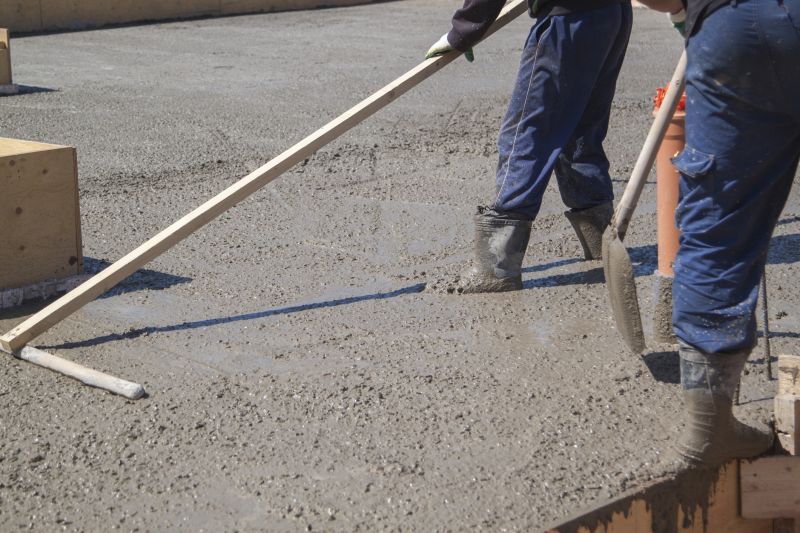
Image depicting the process of raising and leveling sunken concrete slabs.
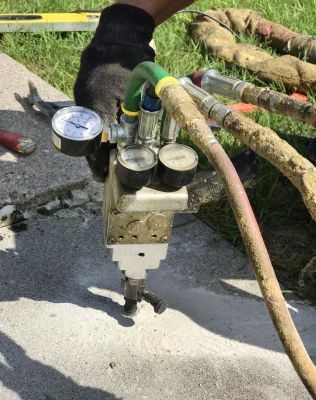
Image of equipment and materials involved in concrete leveling.
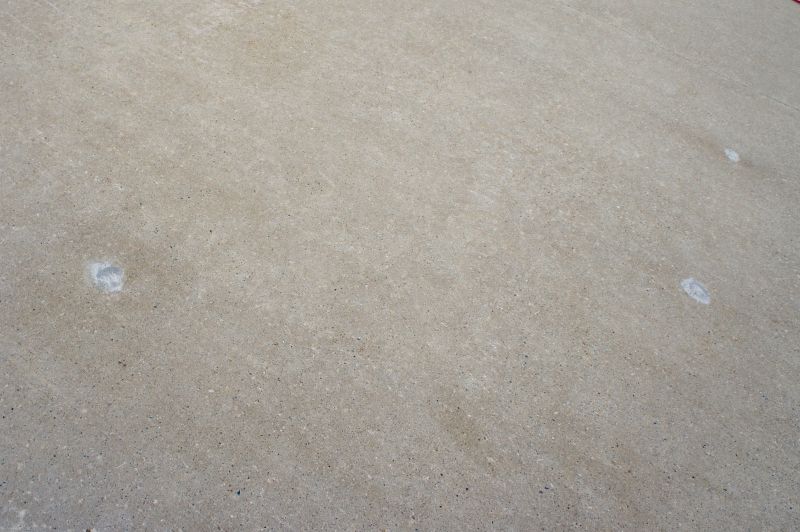
Image showcasing a smooth, level concrete surface after completion.
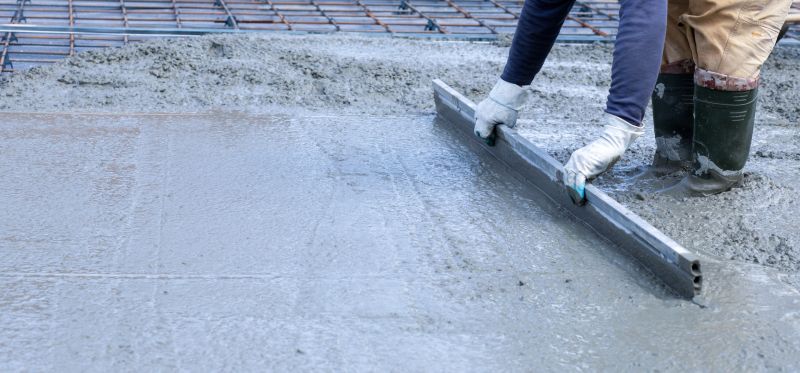
Ways to make Concrete Levelings work in tight or awkward layouts.
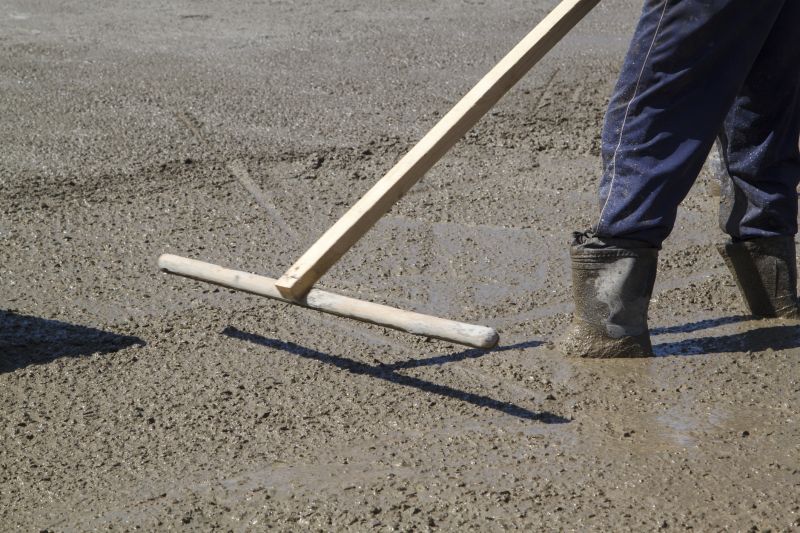
Popular materials for Concrete Levelings and why they hold up over time.
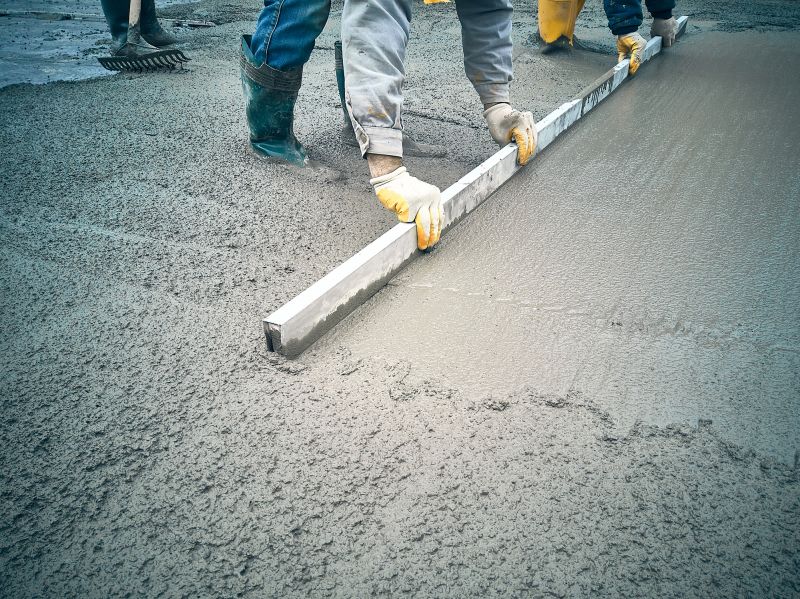
Simple add-ons that improve Concrete Levelings without blowing the budget.
| Season | Optimal Conditions |
|---|---|
| Spring | Moderate temperatures, stable weather, and soil moisture |
| Summer | Early morning or late evening work to avoid heat |
| Fall | Cool temperatures and dry conditions |
| Winter | Generally not recommended unless climate is mild |
Concrete levelings are a practical solution for correcting uneven or sunken slabs, improving safety, and enhancing property appearance. The process involves raising the existing concrete with specialized materials, providing a cost-effective alternative to replacement. Proper timing ensures the materials cure correctly and the surface remains durable over time.
Statistics indicate that concrete leveling can extend the lifespan of existing slabs by several years when performed under optimal conditions. Proper scheduling helps prevent future cracking or shifting, reducing long-term maintenance costs and preserving structural integrity.
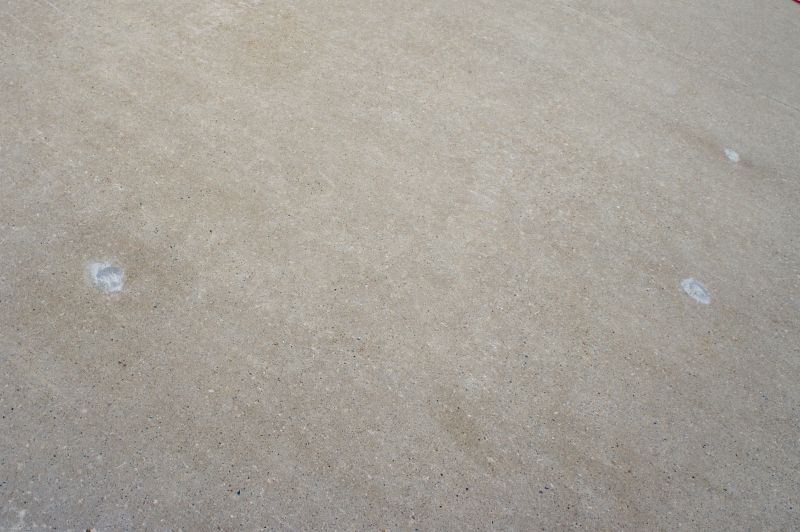
Comparison image showing sunken versus leveled concrete surface.
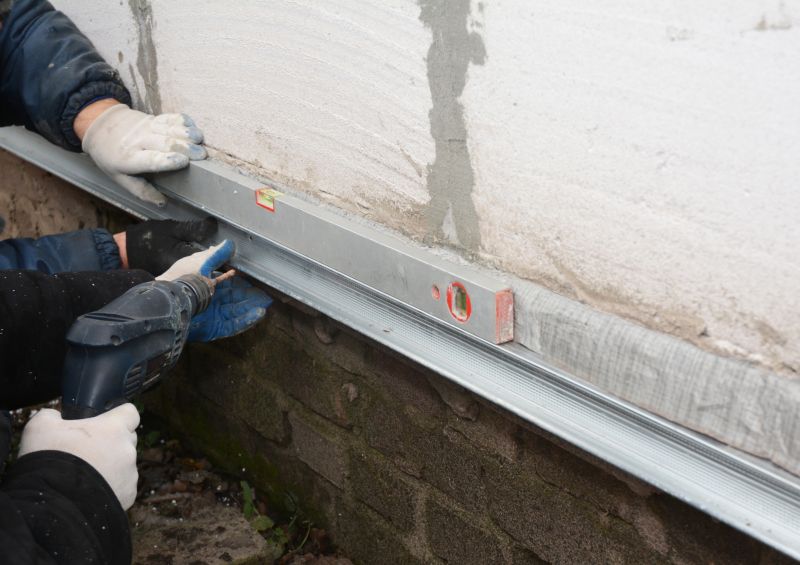
Image of technicians applying leveling compound.
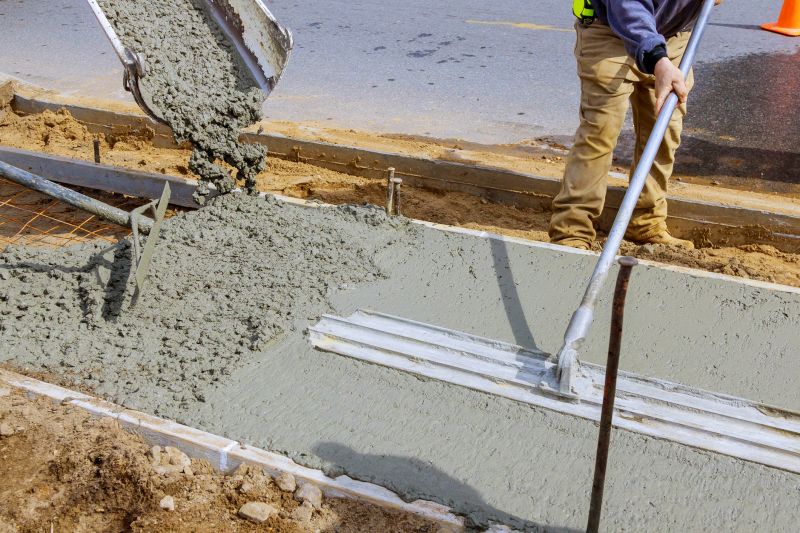
Close-up of freshly leveled concrete during curing.
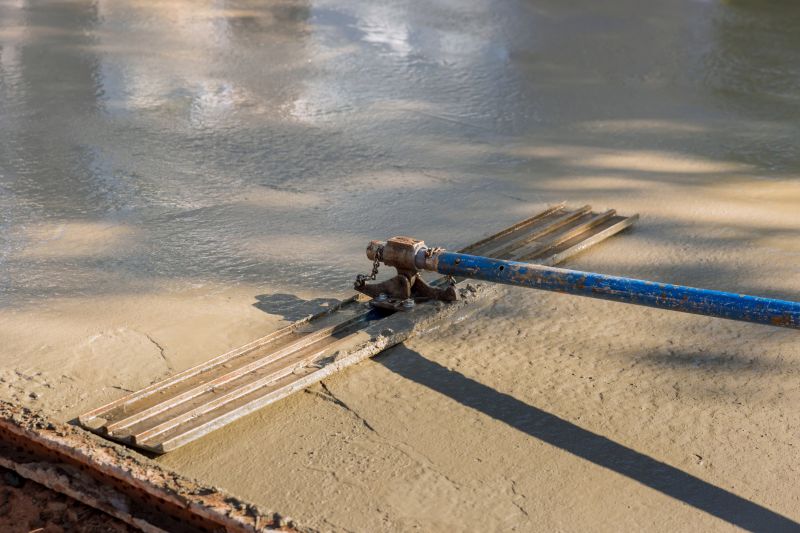
Final view of a smooth, even concrete slab.
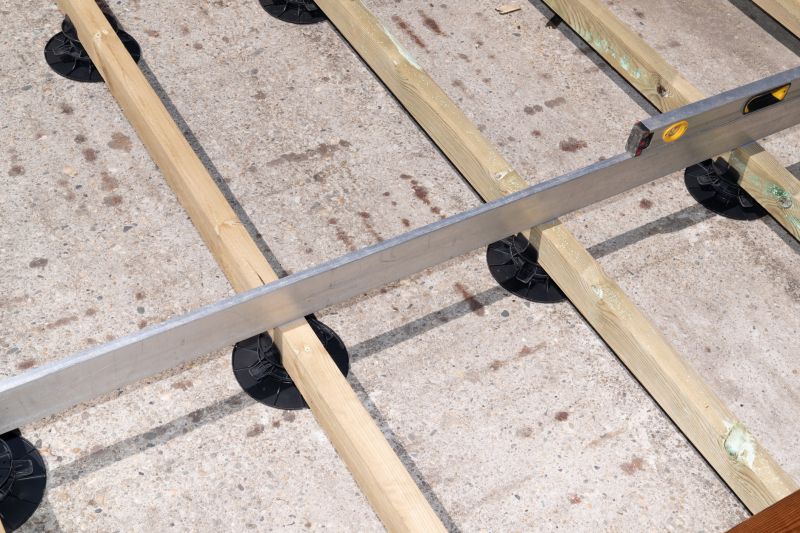
High-end options that actually feel worth it for Concrete Levelings.

Finishes and colors that play nicely with Concrete Levelings.
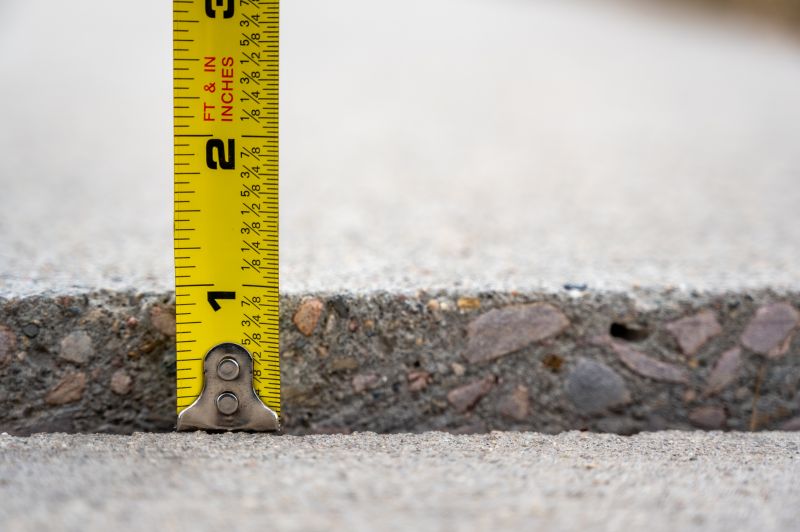
Little measurements that prevent headaches on Concrete Levelings day.
A 60-second routine that keeps Concrete Levelings looking new.
Interested property owners can contact for more information or to schedule a consultation. Proper timing and preparation are key to achieving the best results with concrete levelings.